
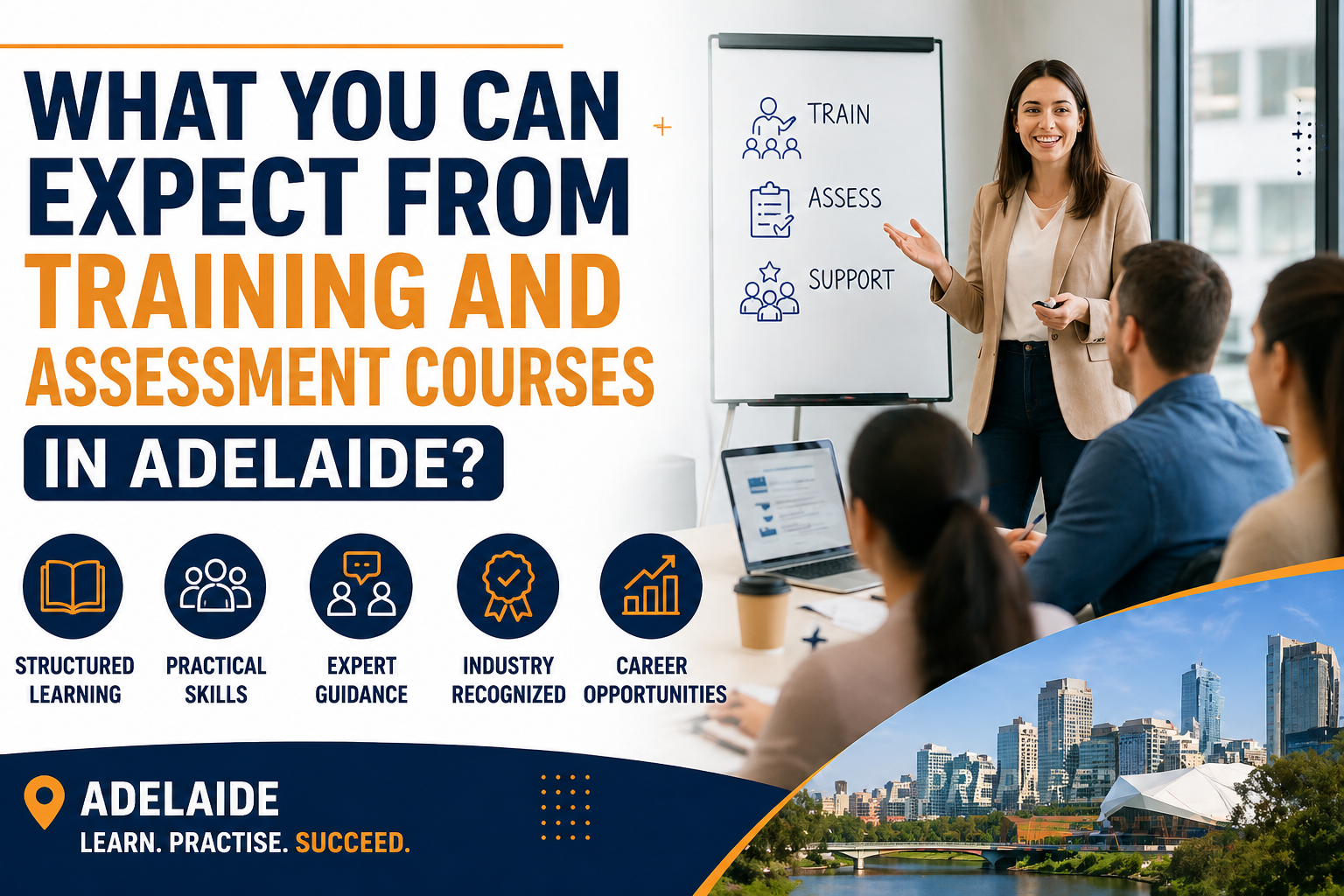
Choosing to develop your skills through structured education is a significant step toward career growth. In Adelaide, training programs are designed to meet industry needs while providing practical, real-world learning experiences. A course like Certificate IV in Training and Assessment introduces individuals to the foundations of teaching, assessing, and guiding others in professional environments.
A Structured Approach To Learning
Training and assessment courses are built around clear and organised frameworks. Participants are guided through step-by-step modules that cover essential aspects of training delivery and evaluation.
This structured approach helps learners understand how to plan sessions, set objectives, and measure outcomes effectively. It ensures that participants do not feel overwhelmed and can progress at a steady pace while building confidence in their abilities.
Practical Skills For Real Work Environments
One of the key expectations from these courses is the strong focus on practical application. Instead of relying solely on theory, participants are encouraged to engage in activities that reflect real workplace scenarios.
For example, even in training environments that involve practical instruction similar to a first aid course, learners are taught how to demonstrate techniques clearly and guide others through hands-on tasks. This emphasis on real-world application prepares participants for situations they may encounter in their careers.
Guidance From Experienced Trainers
Another important aspect of training and assessment courses is the support provided by experienced instructors. Trainers bring industry knowledge and teaching expertise, offering valuable insights that go beyond course materials.
Learners can expect personalised guidance, constructive feedback, and opportunities to ask questions. This interaction helps them refine their skills and gain a deeper understanding of the subject matter.
Development Of Communication And Presentation Skills
Effective communication is a core component of training roles. The main goals of the courses are to help participants become more adept at communicating with a variety of learners and clearly presenting information.
Participants learn how to structure their delivery, use appropriate language, and maintain audience interest. These skills are essential for creating impactful learning experiences and are highly valued in professional settings.
Opportunities For Hands-On Practice
Hands-on practice is a major part of training and assessment courses. Participants are given opportunities to deliver sessions, assess learners, and receive feedback on their performance.
This practical experience allows individuals to apply what they have learned and build confidence in their abilities. It also helps them understand how to handle challenges that may arise during training sessions.
Alignment With Industry Standards
Courses such as Certificate IV in training and assessment Adelaide are designed to align with recognised industry standards. This ensures that participants are learning skills that are relevant and up to date.
By meeting these standards, individuals can be confident that their qualifications will be recognised across various industries. This alignment also prepares them to deliver training that meets professional requirements.
Adaptable Learning Choices
Training and assessment courses in Adelaide often offer flexible learning options to accommodate different schedules. Participants may choose from classroom-based sessions, blended learning, or other formats that suit their needs.
Students, career changers, and working professionals can more easily obtain training without interfering with their daily obligations because of this flexibility. It also allows individuals to learn at a pace that works best for them.
Building Confidence For Future Roles
Confidence is a key outcome of these courses. Through practice, feedback, and structured learning, participants develop the assurance needed to take on training and assessment roles.
They learn how to manage groups, handle questions, and deliver content effectively. This confidence is essential for stepping into roles that require leadership and communication.
Increasing Professional Possibilities
Completing a training and assessment course opens the door to a wide range of career opportunities. Individuals can explore roles in vocational education, corporate training, and workplace development.
These opportunities allow participants to apply their skills in different environments and continue growing in their careers. The versatility of the qualification makes it a valuable asset in today’s job market.
Conclusion
Training and assessment courses in Adelaide provide a comprehensive learning experience that combines structure, practical skills, and industry relevance. Participants can expect to gain the knowledge and confidence needed to deliver effective training and support others in their development. By focusing on real-world application and continuous improvement, these courses prepare individuals for meaningful roles in education and professional training.