
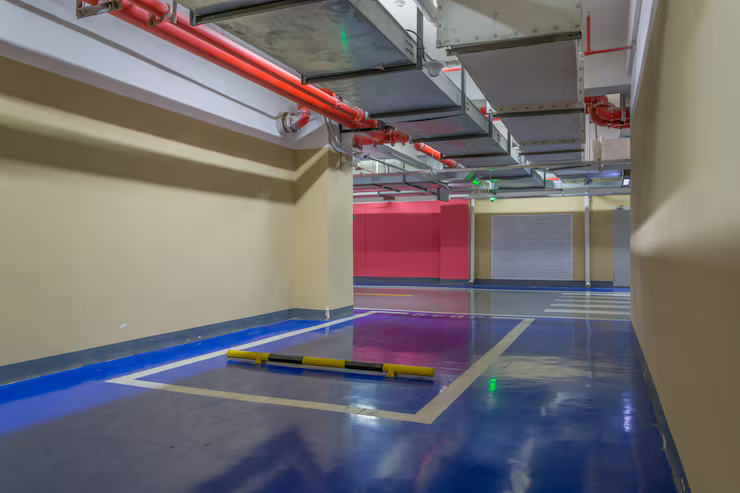
The floor of your factory is one of those things you never notice, until it's too late. By which time it's too late. Actually, the health of your factory floor has a direct impact on the health of your business. Rugs and cracks, slippery floors or floors that can't bear the weight of machinery - these are not only dangerous.
They're profit killers. When it comes to Melbourne manufacturers, warehouse managers, and owners of other industrial businesses, selecting the right flooring material from the beginning can save thousands of dollars in unnecessary repairs, downtime, and legal fees in the future.
Why Factory Floors Are More Than Just a Surface
Many business owners view the floor as something to be seen, but not thought about - it just needs to look neat. But on a factory floor, the floor is a critical component. It affects:
-
Equipment and forklift productivity - Irregular or damaged floors reduce productivity and risk damage to the equipment
-
Safety - Slips, trips, and falls are the most frequent injuries in Australian workplaces
-
Maintenance and hygiene - Bacteria, chemicals, and dirt accumulate in porous or damaged floors, leading to compliance problems.
-
Structural integrity - The wrong floor won't stand up to heavy racking or machinery, causing catastrophic failure
Every unscheduled shutdown of a Melbourne manufacturing line costs between a couple of thousand and tens of thousands of dollars in lost production, emergency repairs, and wasted employee time. The right floor helps avoid this altogether.
The Real Cost of an Outdated or Damaged Floor
Often, facilities suffer from worn-out concrete floors because they don't want to change them out for something new. But let's look at the true cost of an old floor:
-
Regular but ineffective repairs and patching
-
Reduced productivity as forklifts and trolleys are slower on uneven floors
-
More time cleaning because coarse concrete is porous and can't be cleaned easily
-
Risk of workers' compensation for slips, trips, and falls
-
Failing Australian health and safety inspections
Ultimately, the long-term costs of a low-quality floor can outweigh the costs of replacement.
Why Commercial Epoxy Flooring Is the Smart Choice in Melbourne
When it comes to long-term industrial flooring, commercial epoxy flooring Melbourne businesses rely on is one of the most efficient and cost-effective choices.
Here's why epoxy stands out:
-
Durability: Epoxy floors don't crack or discolour under foot traffic, forklift traffic, dropped tools, or chemical spills.
-
Low Maintenance: Epoxy floors are non-porous. This makes clean-up quicker and easier, as well as eliminating the risk of cross-contamination.
-
Safety Features: Epoxy floors can be treated with slip-resistant additives and painted with brightly coloured lines to improve safety, helping meet Australian standards.
-
Longevity: A professionally applied epoxy floor can last 10-20 years (with little maintenance), making this a good capital investment.
-
Minimal Disruption: Modern epoxy installation is fast. In many cases, you can have a floor coated and cured in 24-72 hours, and be back up and running.
Choosing the Right Installer Matters
And the health of the floor is only as good as its installer. If you've ever Googled epoxy floor installers near me, you'll have noticed the differences. Some installers may lack experience installing in commercial and industrial settings.
When you're searching for an installer in Melbourne, check that they have:
-
Commercial and industrial experience (not just homes).
-
Understanding of surface preparation - this is critical for how long the coating will last.
-
Melbourne-based references and projects.
-
Timeframe and realistic expectations of disruption.
-
Products backed by warranties.
You can't skimp on the installer. If the surface is not adequately prepared, the epoxy peels, cracks, or breaks down in a few years - and then you're back at the beginning.
Plan Your Floor Upgrade Strategically
To limit production lost to installation, reputable installers will:
-
Plan for non-peak production times, weekends, or holidays
-
Prepare for installation in stages (separate sections at a time)
-
Employ fast-cure epoxy turnaround systems
When you plan this way, your business doesn't have to close to get a new floor.
Conclusion
Your factory floor is more than a surface; it's an investment. An appropriate floor surface helps prevent injuries, keeps equipment in good working order, minimizes cleaning expenses, and ensures you're compliant with Australian safety regulations.
For Melbourne companies, investing in quality commercial epoxy flooring is one of the best investments you can make.
Don't wait until you have a broken floor, accident, or inspection failure to make the decision. Get ahead of it.
Frequently Asked Questions
1. What are the highest hidden costs of an outdated floor?
Apart from repair expenses, old floors will cost you in lost productivity, extra cleaning time, potential WHS non-compliance, and even workers' compensation costs - costs which are hidden and often greater than the cost of replacing the floor.
2. How soon can we use our floor after installation in Melbourne?
Epoxy floors can usually be walked on in 24 hours and be fully operational in 48 to 72 hours (including forklifts). Your installer will provide you with a schedule depending on the size and conditions of your floor.
3. Can epoxy floors be used in all Melbourne industrial buildings?
Yes. Epoxy flooring is suitable for warehouses, food processing, automotive garages, cold storage, and more. Your installer will advise on the right epoxy for your loads, chemicals, and environment.